








Product Search Results
%201.svg)
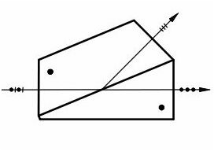
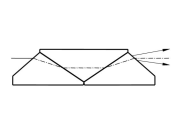
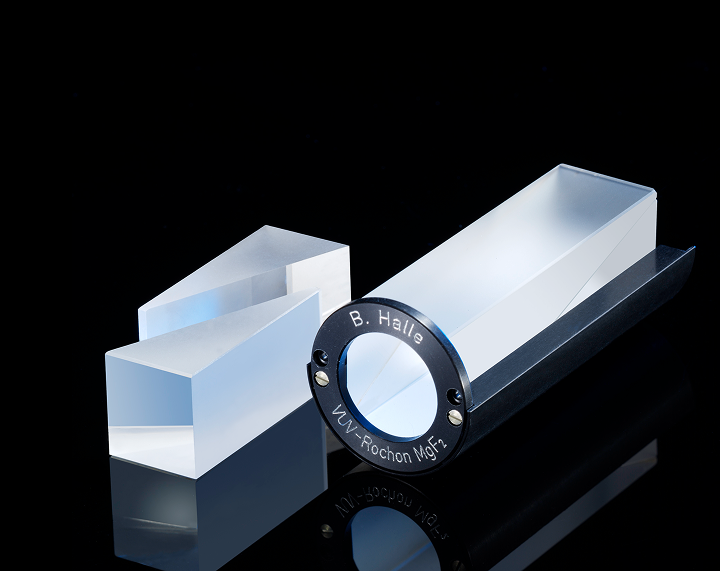
The depolarizer consists of two wedges joined by optical contact. One of the wedges is made from birefringent crystalline quartz and generates a variation of the output polarization over the varying thickness of the wedge. The other is made from non-birefringent fused silica and compensates for the prismatic deviation. When illuminated with a spatially expanded beam the output polarization varies over the beam diameter and on average the light appears unpolarized. Since the birefringent wedge introduced a polarization dependent double refraction the light is split in two slightly divergent polarized beams at the output. The full divergence angle is about 4'.


The depolarizer consists of two wedges joined by optical contact. One of the wedges is made from birefringent crystalline quartz and generates a variation of the output polarization over the varying thickness of the wedge. The other is made from non-birefringent fused silica and compensates for the prismatic deviation. When illuminated with a spatially expanded beam the output polarization varies over the beam diameter and on average the light appears unpolarized. Since the birefringent wedge introduced a polarization dependent double refraction the light is split in two slightly divergent polarized beams at the output. The full divergence angle is about 4'.
To achieve best result the beam diameter should be larger than 5 mm. Furthermore, the wedge must be oriented at 45° with respect to the polarization of the input beam. It is advisable to optimize this orientation by minimizing the residual polarization in the setup.
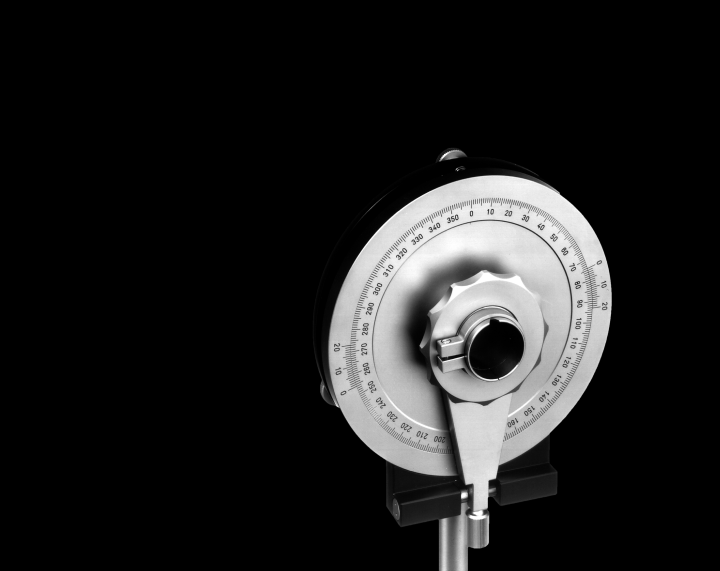
We can provide the prisms either unmounted or set into a rotation mount. The holder is equipped with a mounting pin for integration. By default, the prisms are not antireflection coated.
.png)