








Product Search Results
%201.svg)
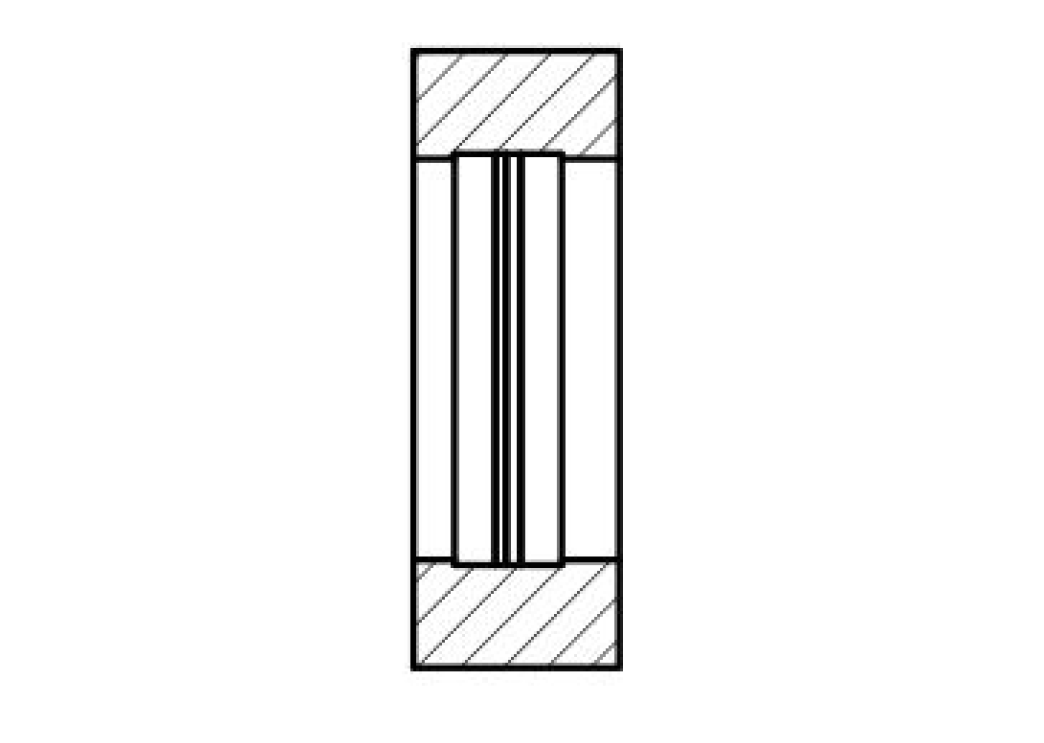


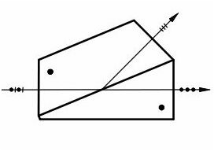
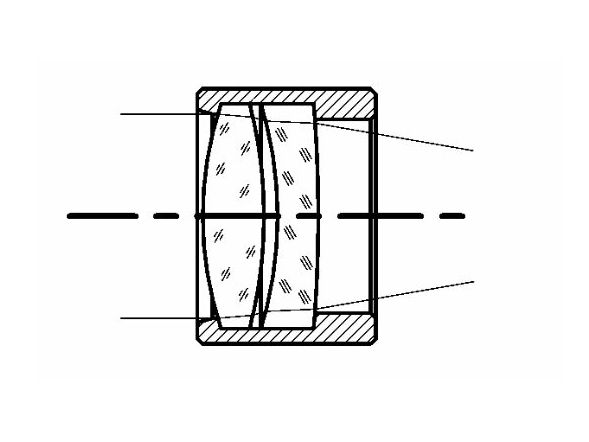
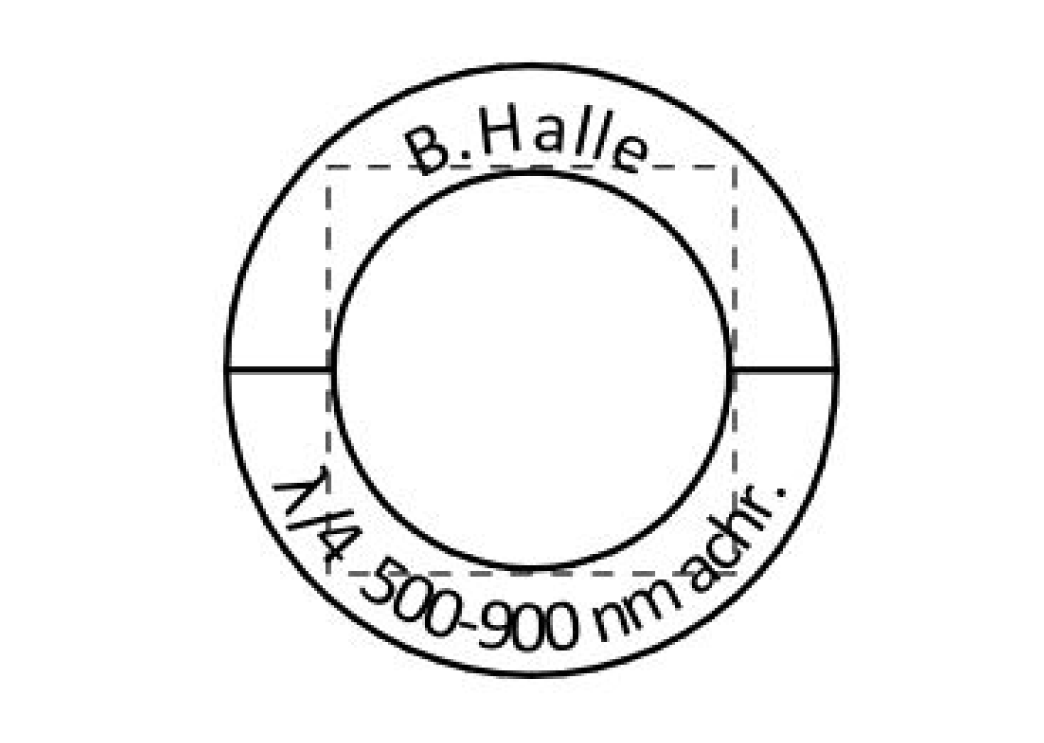
Achromatic waveplates are essentially zero-order double plates, precision-manufactured from quartz and MgF₂. They are available in two configurations: cemented and air-gap.
For short wavelength ranges, one or both crystal plates may be designed as double plates, resulting in a total of three or four plates. In cemented designs, reflection losses occur only at the outer surfaces, whereas in air-gap designs, reflections must be considered at multiple surfaces (typically 4–8). Therefore the reflectivity per surface is specified in the product details for the individual ranges.
Air-gap achromatic waveplates are especially well-suited for ultrafast pulsed laser applications, where low dispersion is critical. Group Delay Dispersion (GDD) values are provided at representative wavelengths in the product details. In contrast, cemented versions exhibit higher dispersion due to the presence of cover plates.
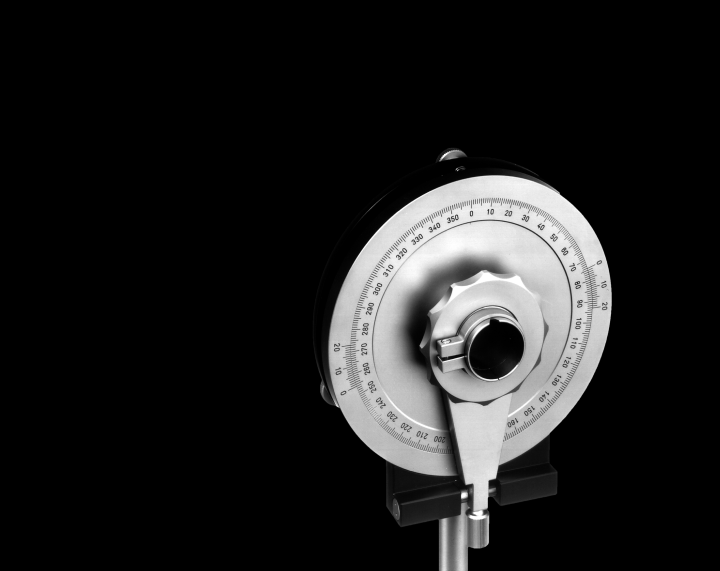
In addition to our standard stock of achromatic waveplates we also offer custom accessories and tailored versions, as outlined in the product details section. All waveplates are housed in durable cylindrical mounts for easy integration and handling, but unmounted cemented versions are also available as a custom option. All waveplate mounts can also be ordered customized with SM1 or SM2 outer threading.
.png)